Choosing the Best Ecommerce Platform for UK Businesses
Starting or growing an online store can feel overwhelming. There are so many ecommerce platforms out there, each promising to be the perfect fit. But how do you choose the right one for your UK business? I’ve been through this journey, and I want to share what I’ve learned to help you make a confident choice. Let’s break down the key points and find the best ecommerce platform for your needs.
Understanding the Ecommerce Platform for UK Businesses
When selecting an ecommerce platform, it’s important to think about your specific business needs and the UK market. Different platforms offer different features, pricing, and levels of support. Some are better suited for small businesses, while others cater to larger enterprises.
Here are some factors to consider:
Ease of use: How simple is it to set up and manage your store?
Payment options: Does it support popular UK payment methods like PayPal, Stripe, and local debit/credit cards?
Shipping and tax settings: Can you easily configure UK-specific shipping rates and VAT?
Mobile responsiveness: Is your store optimised for customers shopping on phones and tablets?
Customisation: Can you tailor the look and feel of your store to match your brand?
Scalability: Will the platform grow with your business as you add more products or customers?
Taking time to evaluate these points will save you headaches later on.

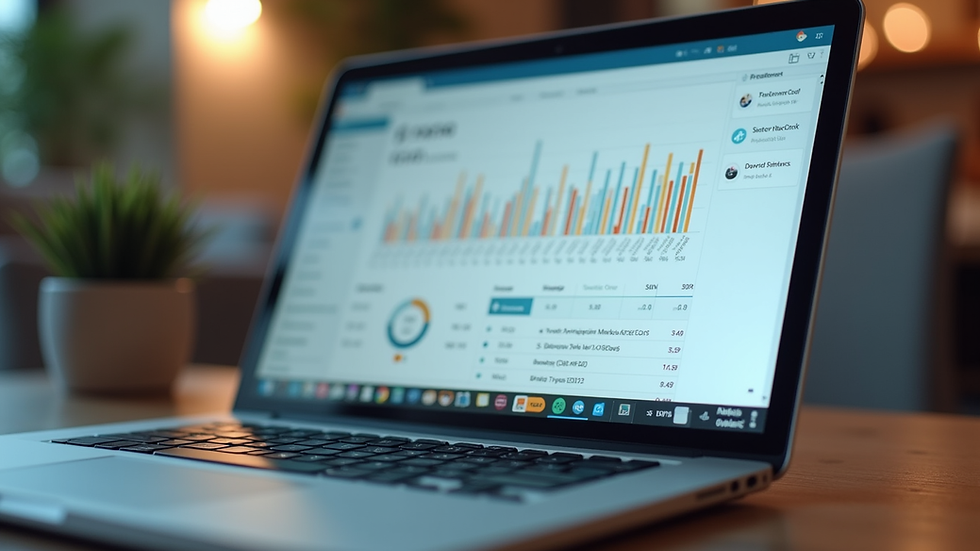
An ecommerce dashboard showing sales and product management tools
What’s the Best Ecommerce Software for Small Businesses?
If you’re running a small business, you want a platform that’s affordable, easy to use, and packed with essential features. You don’t need complicated tools that only big companies use. Instead, look for something that helps you get your store online quickly and start selling.
Some key features to look for in small business ecommerce software include:
Simple product management: Add, edit, and organise products without fuss.
Built-in marketing tools: Email campaigns, discount codes, and SEO options.
Secure checkout: Protect your customers’ data with SSL and trusted payment gateways.
Customer support: Access to helpful guides, chat, or phone support when you need it.
Integration options: Connect with social media, accounting software, or shipping providers.
By focusing on these essentials, you’ll find a platform that fits your budget and helps you grow.

Tablet screen displaying a clean and user-friendly online store homepage
How to Compare Ecommerce Platforms Effectively
Choosing the right platform means comparing your options side by side. Here’s a simple approach to make this easier:
List your must-have features: Write down what you absolutely need.
Set a budget: Know how much you can spend monthly or annually.
Read reviews: Look for feedback from other UK businesses.
Try demos or free trials: Get hands-on experience before committing.
Check for UK-specific support: Make sure the platform handles VAT, shipping, and payments smoothly.
This method helps you focus on what matters most and avoid getting distracted by flashy but unnecessary features.
Tips for Setting Up Your Ecommerce Store in the UK
Once you’ve picked your platform, setting up your store is the next step. Here are some practical tips to get you started:
Choose a clear domain name: Make it easy to remember and relevant to your brand.
Write detailed product descriptions: Help customers understand what they’re buying.
Use high-quality images: Show your products from different angles.
Set up shipping zones: Define where you deliver and how much it costs.
Configure VAT settings: Ensure prices include or exclude VAT as required.
Test the checkout process: Make sure it’s smooth and error-free.
Promote your store: Use social media, email marketing, and SEO to attract visitors.
Taking these steps will help you launch a professional and trustworthy online store.
Finding the Best Ecommerce Platform for Your Business
There’s no one-size-fits-all answer, but by focusing on your business goals and customer needs, you can find the best ecommerce platform for small business uk. Remember, the right platform will make managing your store easier and help you grow steadily.
If you want to explore options tailored for small UK businesses, check out this best ecommerce platform for small business uk guide. It offers detailed comparisons and insights to help you decide.
Starting your ecommerce journey is exciting, and with the right tools, you’ll be set up for success. Keep learning, stay flexible, and don’t hesitate to ask for help when you need it. Your online store can thrive with the right foundation.
Happy selling!


Comments